

A V60 pour-over is the simplest way to brew a clean, bright cup that shows off the flavor of your beans. This beginner guide gives you one repeatable recipe, the gear you need and quick fixes when the cup tastes off.
What is a V60?
The V60 is a cone-shaped dripper with a large hole at the bottom and spiral ribs inside. You pour hot water over the grounds in a slow circle, and the coffee drips through a paper filter into a server or mug. Because you control the pour, you control the result.
What you need
- Dripper: the octagonal ceramic V60 filter cup holds heat well, the stainless steel pour-over filter cup is durable, and the borosilicate glass dripper set looks great on the counter
- Filters: V60 filter papers with easy-tab ears
- Server: the 360 ml V60 glass server
- Stand: a stainless steel V60 dripper stand if you brew over a server
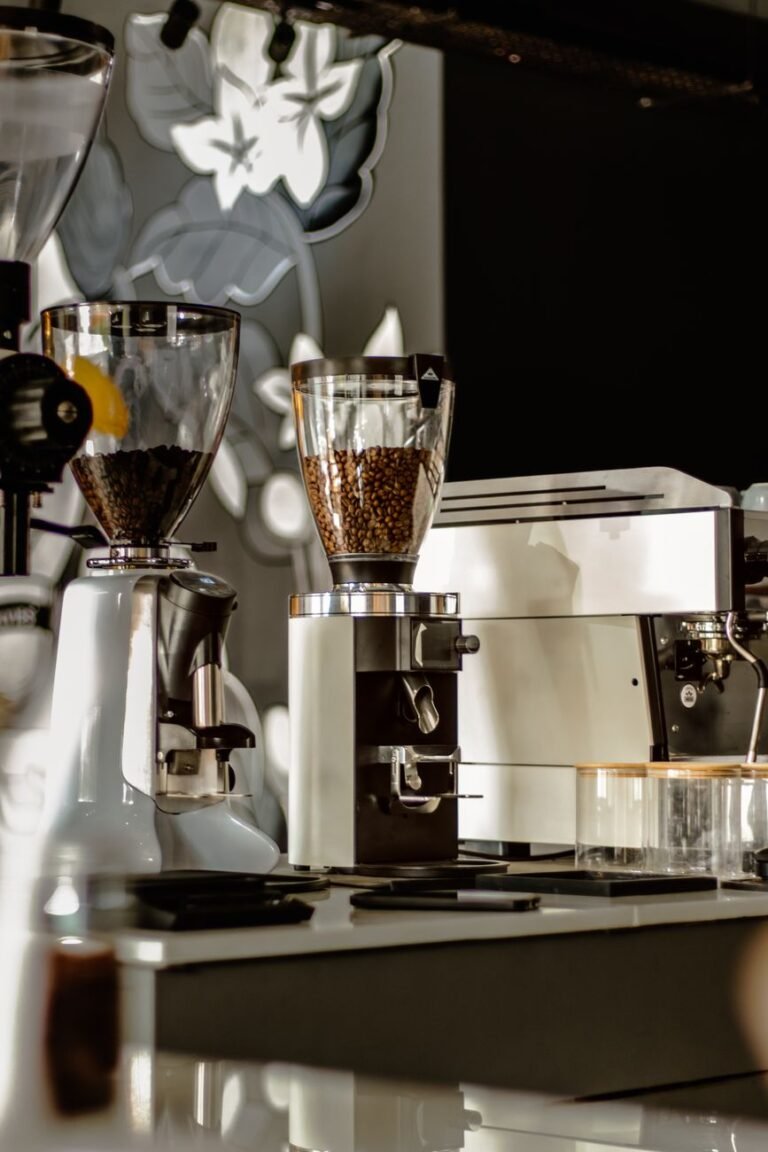
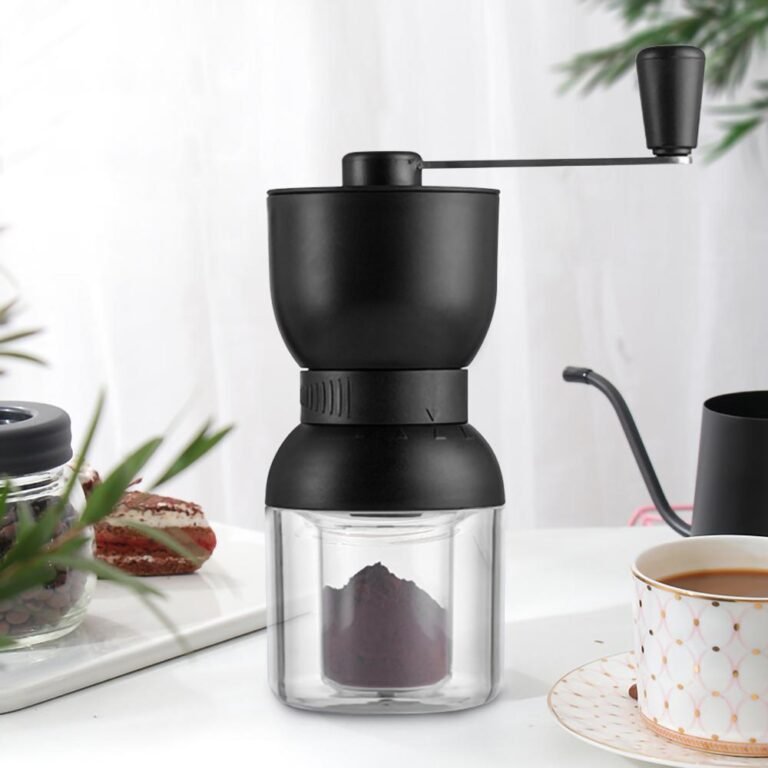
- Grinder: any of our coffee grinders
- A kitchen scale and a kettle (a gooseneck is nice but not required)
The beginner recipe
- 15 g coffee, ground medium-fine (slightly finer than coarse sea salt)
- 250 g water at 93 to 96 degrees C (200 to 205 degrees F)
- Total time: about 2:30 to 3:00
- Fold the filter, set it in the dripper and rinse it with hot water. This removes the papery taste and warms the server. Discard the rinse water.
- Add the ground coffee and level the bed.
- Start the timer and pour 40 g of water to wet all the grounds. This is the bloom. Wait 30 to 45 seconds.
- Pour slowly in circles up to 150 g by about 1:15.
- Pour up to 250 g by about 1:45, then let it drain.
- Remove the dripper, swirl the server and serve.
Troubleshooting
- Sour or thin, drains in under 2 minutes: grind finer.
- Bitter or dry, drains slowly past 3:30: grind coarser.
- Uneven taste: pour gently and keep the water away from the filter edges.
Tips that make a real difference
- Grind right before brewing
- Use filtered water if your tap water is hard or tastes of chlorine
- Change one thing at a time, usually grind size
V60 vs French press
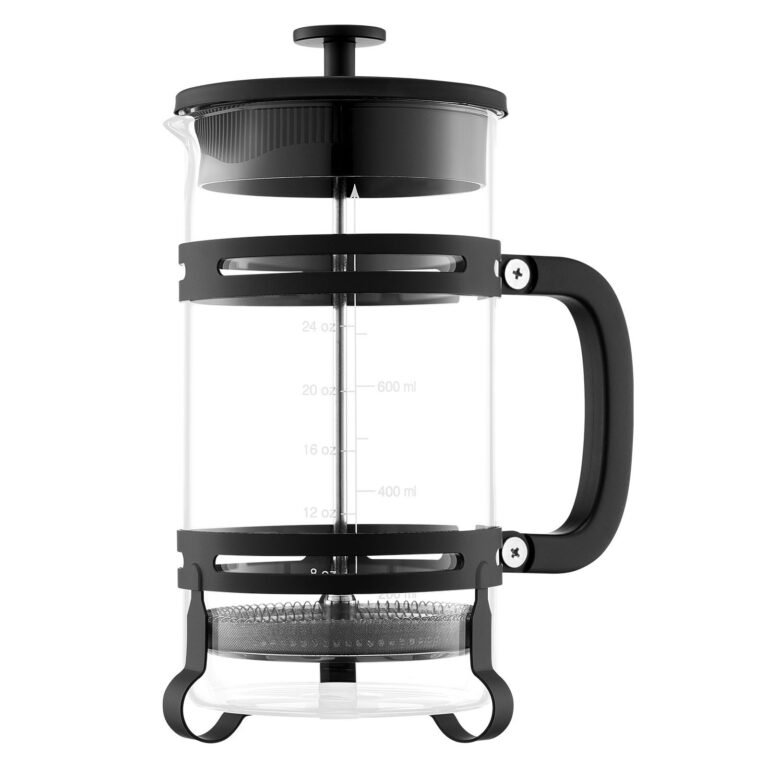
Paper traps oils and fine particles, so a V60 tastes cleaner and lighter than a press. If you like a heavier cup, read our French press ratio guide. Not sure which filter suits you? Compare paper and metal filters.
Scaling the recipe
- One large cup: 20 g coffee and 320 g water
- Two cups: 30 g coffee and 500 g water
The ratio stays close to 1:16, but a larger dose usually needs a slightly coarser grind and a longer pour.
Water temperature and quality
Hot water just off the boil, 93 to 96 degrees C, works for most coffees. Darker roasts taste better a little cooler, around 90 degrees C. Use filtered water if your tap water is hard or tastes of chlorine, because water is more than 98 percent of the cup.
Light vs dark roasts
- Light roasts: hotter water and a slightly finer grind help pull out sweetness
- Medium roasts: the recipe above works as written
- Dark roasts: cooler water and a coarser grind reduce bitterness
Pour technique
Pour gently and steadily. Aim for the center of the bed and spiral outward, then back in. Avoid pouring on the filter walls, which lets water bypass the coffee. A slower pour gives a sweeter, rounder cup.
Dial in your grind
Change only the grind size at first. If the brew finishes in under 2:15, go finer. If it takes more than 3:30, go coarser. Keep notes so you can repeat your best cup.
Caring for your gear
Rinse ceramic, glass and stainless drippers with warm water after each brew. Let them dry before storing. A wooden filter paper holder keeps papers clean and flat so they seat properly in the cone.
FAQ
Do I need a gooseneck kettle?
It helps with control, but a steady hand with a normal kettle works.
Can I reuse a paper filter?
No. Use a fresh one for each brew.
What coffee-to-water ratio is this?
About 1:16.7, a good starting point to adjust from.



One Comment