Paper vs metal coffee filters comes down to what you want in the cup: a clean, bright drink or a fuller, heavier one. Here is how each works, what they cost over time and which brewers suit them.
Paper filters
Paper catches oils and fine particles, so the coffee is clean, clear and brighter in flavor. Paper also removes most of the oil compounds (such as cafestol) that can raise cholesterol, which is why filtered coffee is often recommended for people watching it.
- Pros: clean taste, no sediment, no cleaning, cheap per cup
- Cons: an ongoing purchase and waste, a papery taste if you skip the rinse
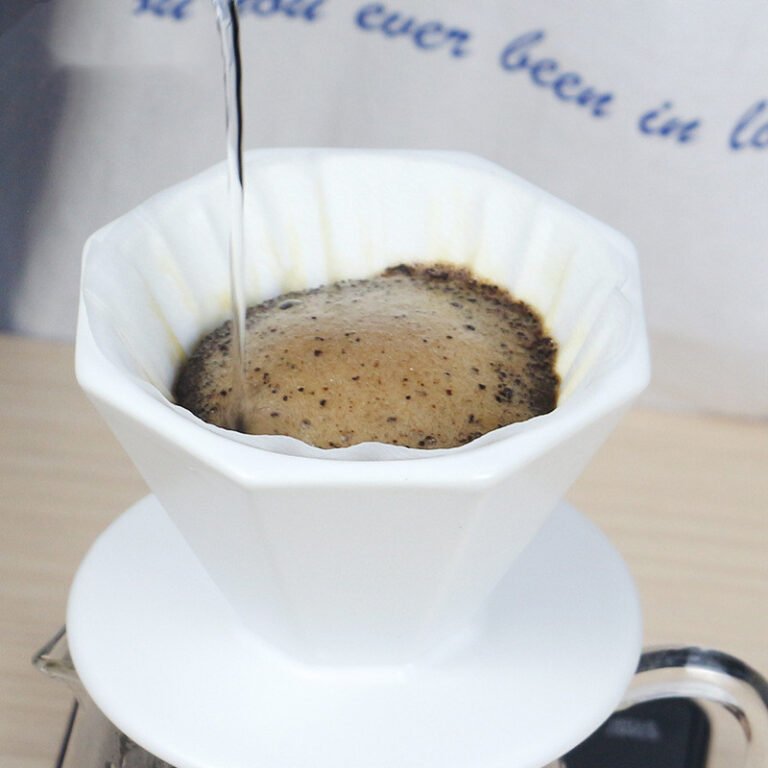
Options include V60 filter papers with easy-pull tabs and sector-shaped filter papers made from natural wood pulp (40 sheets per pack). Keep them tidy in a wooden filter paper holder that stores up to 100 sheets.
Metal filters
A stainless steel filter lets oils and some fine particles pass through. The cup has more body, a rounder mouthfeel and sometimes a little sediment at the bottom.
- Pros: reusable, no waste, a fuller flavor, lower long-term cost
- Cons: needs rinsing after each brew, can leave fines in the cup
Try the reusable stainless steel coffee filter or the stainless steel pour-over filter cup with its honeycomb funnel.
Which brewing methods work with each
- Paper: V60, drip makers, cold brew straining
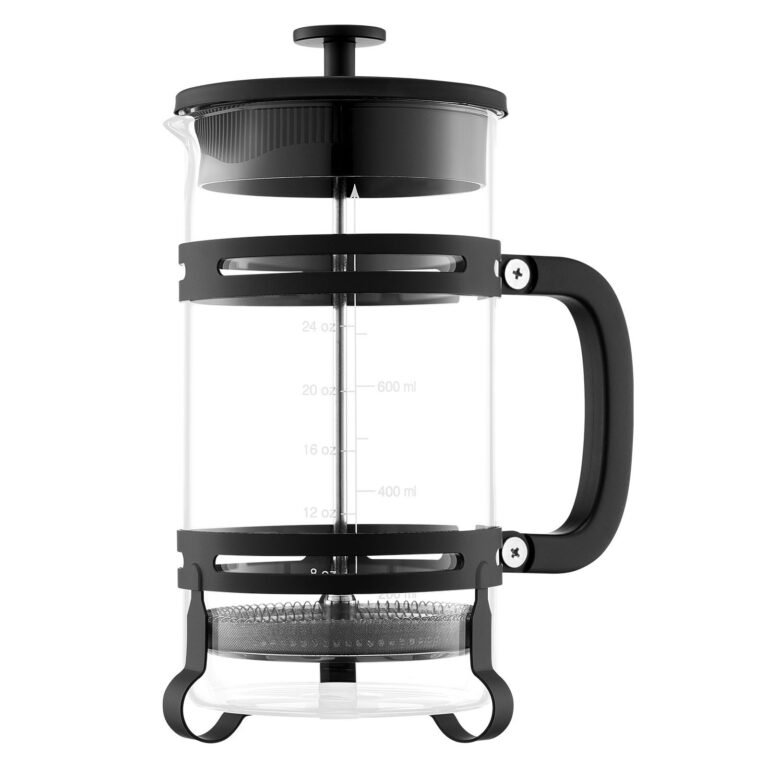
- Metal: French press, many pour-over cones, Turkish and moka styles
Cost comparison
One cup per day with paper uses about 365 filters per year. A metal filter pays for itself after you stop buying papers. The savings are modest, so the decision should be about taste and convenience first.
Tips for either choice
- Rinse paper filters with hot water before brewing
- Rinse and scrub metal filters after each use, and deep clean weekly
- Grind size matters. Metal filters work better with a slightly coarser grind
Related reading
See the V60 pour-over guide for a paper-filter recipe, or the French press ratio guide for a metal-mesh method.
What to expect in the cup
Brew the same coffee with both and you will notice the difference. Paper gives a clean, tea-like cup where flavors are easy to pick out. Metal gives a heavier, rounder cup with more texture and less clarity.
Match the filter shape to your brewer
Filters come in different shapes. Cone filters suit cone drippers, and sector-shaped papers suit drippers designed for that shape. Check the shape and size before you buy a pack.
The hybrid approach
You do not need to choose forever. Use a metal filter for fast weekday coffee and paper when you want a clean cup on weekends. Brewing the same beans both ways is a fun way to learn what you prefer.
Cleaning a metal filter
- Knock out the grounds into the trash or compost
- Rinse under warm water
- Scrub the mesh with a soft brush and a drop of dish soap
- Dry it fully before storing
Which is better for each method
- Pour-over: paper for clarity, metal for body
- Drip machine: either, whichever fits the basket
- French press: built-in metal mesh
- Cold brew: paper straining gives the clearest result
FAQ
Do metal filters make coffee taste better?
Not better, just fuller. Paper is cleaner.
Are paper filters bad for the environment?
They are compostable, but metal creates less waste.
Do I need to rinse paper filters?
Yes, a quick rinse removes papery taste and warms the brewer.