A portable espresso maker lets you pull a strong, espresso-style shot at a campsite, in a hotel room or at your desk. The right one depends on how you travel, what coffee you carry and whether you want to pump by hand or press a button.
How portable espresso makers work
Instead of a bulky pump and boiler, they use hand-built pressure or a small battery pump to push hot water through a compact coffee chamber. Most are meant to give you a concentrated shot you can drink as is or stretch into a longer coffee or milk drink. Traditional machines target about 9 bar, and compact manual models land in the same neighborhood. For example, our portable manual espresso machine delivers 8 bar and brews 70 ml from 7 g of coffee.
3 types to choose from
1. Hand-operated
No battery, no cable, fewer things to break. The 70 ml manual machine is hand operated with a PP plastic body, and the manual espresso maker with a quiet pump design adds a pressure bar slide with damping for a smoother, quieter pump action. You supply hot water and a bit of arm power.
2. Rechargeable and capsule friendly
The 3-in-1 portable espresso machine takes ground coffee, small capsules or large capsules, heats the water for you and runs off a rechargeable battery. It brews a 60 ml shot and can make hot or cold drinks, which suits people who already own a capsule stash.
3. Car and outdoor machines
The compact semi-automatic espresso machine for car and outdoor use has a 0.5 L tank and makes 3 to 5 cups. It is button operated and comes in black or white.
What to check before you buy
- Coffee format: ground coffee gives the most flexibility, capsules give convenience
- Power: hand-pumped for zero charging, rechargeable for hands-free brewing
- Shot size: 60 to 70 ml is a single shot
- Cleaning: look for parts that rinse quickly
- Weight and size: relevant if you fly or hike
Travel tips
- Bring a small flask or thermos of hot water
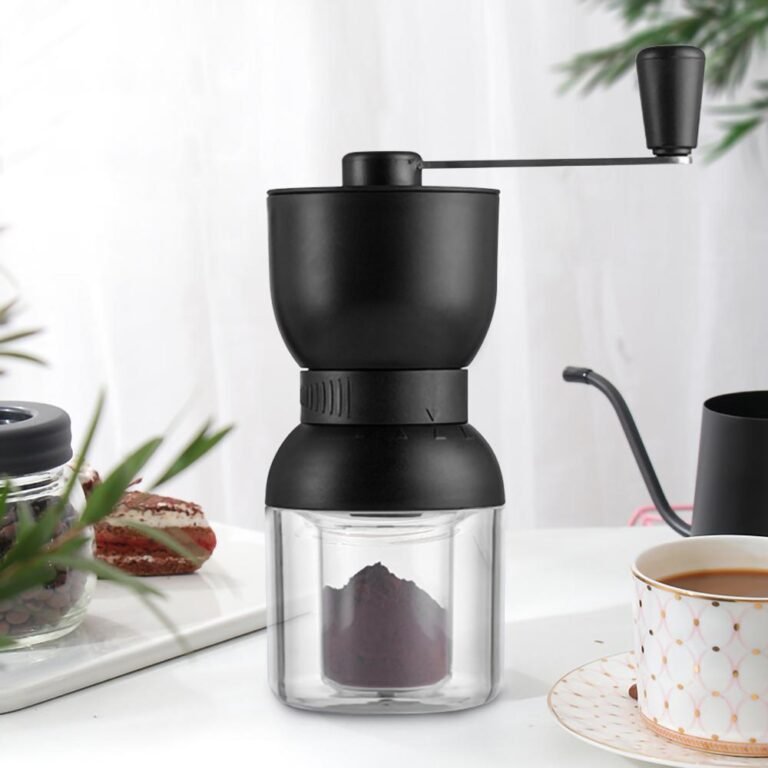
- Grind beans before you leave or pack an all-in-one such as the 240 ml portable grinder and brewer
- Rinse parts right after use so coffee oils do not build up
Not travelling? Other small-kitchen options
A moka pot gives strong stovetop coffee, and a countertop machine with a steam wand pairs well with our guide to frothing milk at home. Browse the full range in brewing equipment.
How to pull a better shot with a manual maker
- Grind fine, finer than drip but not powder. Fresh grounds make the biggest difference.
- Use the dose the machine is designed for. The 70 ml model above uses 7 g of coffee.
- Use water just off the boil and preheat the unit if you can.
- Pump with a steady, even motion and do not force it.
- Stop when you reach the target volume.
Manual vs rechargeable
- Manual: lighter, no charging, nothing electronic to fail, but needs hand pressure
- Rechargeable: easier and more consistent, needs a charge before you go
Make it a full drink
Add hot water for an americano, steamed or frothed milk for a latte, or pour the shot over ice for a quick iced coffee. Our guide to frothing milk at home explains the milk part, and an stainless steel milk pitcher is easy to carry.
Packing list
- The espresso maker and its filter parts
- Whole beans and a small grinder, or pre-ground coffee in a sealed bag
- A flask of hot water
- A cup, a small brush and a cloth
Cleaning after use
Knock out the used coffee puck, rinse every part with warm water and let it air dry. Do it right away, because coffee oils harden and clog small parts if you wait.
FAQ
Do portable espresso makers make real espresso?
They make concentrated, espresso-style coffee. Quality depends on pressure, grind and fresh beans.
Can I use pre-ground coffee?
Yes, if the machine uses a ground coffee chamber. Use a fine, fresh grind.
Do I need electricity?
Not with a hand-operated model. You need hot water instead.