

Learning how to use a moka pot takes about five minutes and gives you strong, rich coffee from a pot that costs less than a bag of specialty beans. The method is simple, but a few details decide whether you get a smooth cup or a bitter, metallic one.
What a moka pot actually makes
A moka pot heats water in the bottom chamber until steam pressure pushes it up through the coffee and into the top chamber. The pressure is much lower than an espresso machine, so the result is concentrated, full-bodied coffee rather than true espresso. It works well black, diluted into an americano-style cup, or topped with steamed milk.
What you need
- A moka pot, such as our aluminum moka pot, which works on electric, gas, alcohol lamp and ceramic stovetops and has an imported copper relief valve
- Fresh whole beans, ground medium-fine (finer than drip, coarser than espresso)
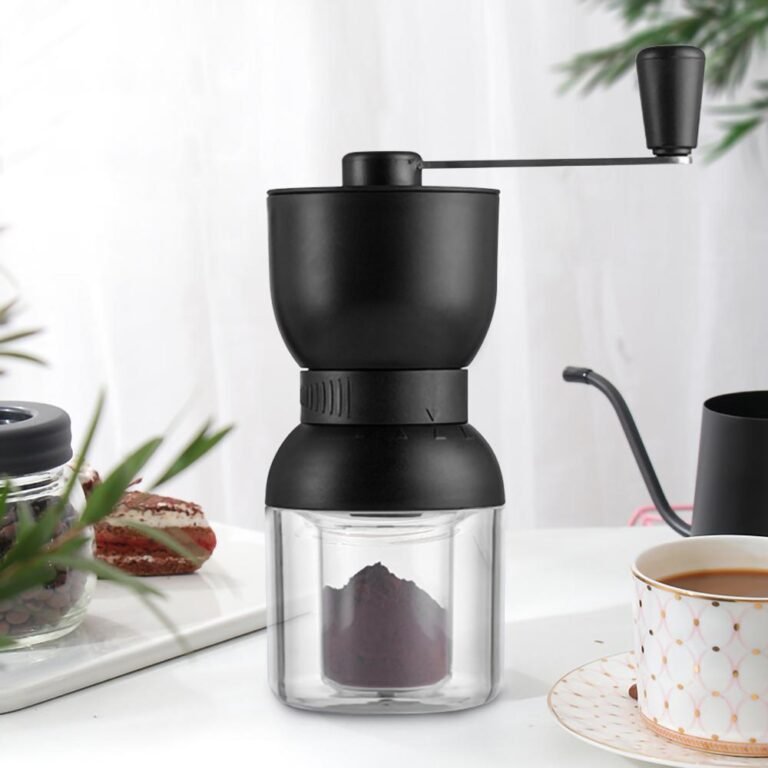
- A grinder. A hand crank grinder with a ceramic core is a good low-cost match, and you can browse every option in coffee grinders
- A kettle, optional but useful
How to use a moka pot, step by step
- Fill the base with water up to just below the safety valve. Starting with hot water from a kettle shortens the time the grounds sit over heat, which reduces the burnt taste.
- Fill the filter basket with ground coffee and level it with your finger. Do not tamp. Packing the coffee blocks the flow and builds too much pressure.
- Screw the top on tightly. Use a cloth if the base is hot.
- Heat on medium-low with the lid open so you can watch. High heat is the most common cause of bitter moka coffee.
- Watch the flow. Coffee should ooze out steadily in a honey-colored stream. When it turns pale and the pot starts to gurgle, take it off the heat.
- Stop the brew. Run the base under cold water for a few seconds or set it on a damp cloth, then stir the coffee in the top chamber and serve right away.
Grind size and dose
Use a medium-fine grind that feels a little finer than table salt. Too fine and the water struggles to pass through, giving a harsh, over-extracted cup. Too coarse and the coffee tastes thin and sour. Fill the basket level every time so your results are repeatable, then adjust the grind rather than the dose.
Common mistakes
- Heat set too high
- Tamping the grounds
- Leaving the pot on the burner after the coffee has finished
- Using pre-ground coffee that is too fine or has gone stale
- Filling water above the safety valve
Cleaning and care
Let the pot cool, take it apart, rinse every part with warm water and dry it fully. Skip the dishwasher, which can dull and pit aluminum. Check the rubber gasket and filter plate now and then and replace them if they harden or clog.
Ways to drink it
Dilute a small cup with hot water for a long black, or pour it over steamed milk for a latte-style drink. Our guide to frothing milk at home covers the milk side, and if you want real espresso pressure on the go, see portable espresso makers.
Which beans work best
Medium to medium-dark roasts are the classic choice. They stand up to the heat and give a chocolatey, caramel-like cup. Very light roasts can taste sharp and sour in a moka pot, and very dark, oily roasts can taste burnt. Buy whole beans, check the roast date and use them within a few weeks of roasting.
Moka pot sizes
Moka pot cups are small, usually around 50 ml each, so a 3-cup pot makes roughly 150 ml of concentrated coffee. Go by the capacity printed on your pot rather than the cup number, and fill the basket rather than measuring the dose by weight.
Troubleshooting
- Coffee sputters and spits: the heat is too high. Turn it down.
- Weak or watery: the grind is too coarse, the basket was not full, or you took the pot off too early.
- Sour: grind a little finer and let the brew run slightly longer.
- Leaks at the seam: grounds on the rim, a worn gasket, or the halves are not screwed tight.
- Takes forever to brew: heat too low or the grind too fine.
Moka pot vs other methods
A moka pot gives a bolder, heavier cup than a paper-filtered pour-over and is easier to master than a manual espresso maker. If you like a lighter, cleaner coffee, try our V60 guide. If you want a rich cup with a metal mesh, see the French press ratio guide.
FAQ
Is moka pot coffee espresso?
No. It is strong and concentrated, but the pressure is far lower than an espresso machine.
Why does my moka pot coffee taste bitter?
Usually heat that is too high, a grind that is too fine, or leaving the pot on the burner too long.
Can I use a moka pot on induction?
Aluminum pots do not work on induction. Our moka pot is listed for electric, gas, alcohol lamp and ceramic stovetops.
How much coffee goes in?
Fill the basket level to the top without pressing it down.





One Comment